

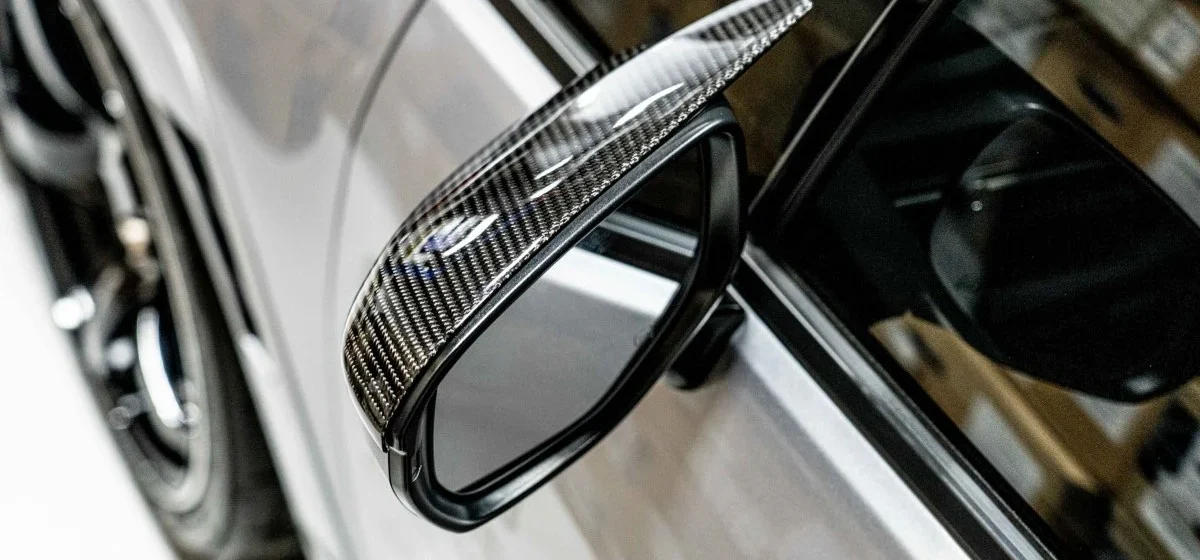
Carbon fiber composites belong to the material family known as carbon fiber–reinforced plastics. These composites span a vast array of formulations and weave patterns. What unites every variant is the use of carbon filaments alongside particulate additives. At the heart of each carbon fabric lies a delicate lattice of ultrafine fibers. A single strand may fracture under minimal tension, yet when bundled into a tow, its collective strength soars. Severing a woven cloth demands far greater force than breaking an individual thread. During production, fibers are laid in parallel bundles to form flat sheets. This alignment ensures loads are evenly spread across the fabric’s surface.
Carbon fiber-reinforced plastics display anisotropic mechanical properties, varying with fiber orientation. To build a uniformly robust panel, successive layers are stacked with fibers rotating direction at each ply. This cross-ply approach maximizes durability and resistance to impact. A polymer resin-often epoxy or polyester – is then infused to lock fibers firmly in place. Fully leveraging the strengths of these materials requires precise lamination, controlled curing, and exacting quality checks in the following steps:
• vacuum-based processes;
• thermal processing;
• advanced machinery.

Carbon fiber weighs considerably less than steel or aluminum. Moreover, its components outmatch fiberglass in strength while remaining lighter. Enthusiasts choose carbon not only for its performance benefits but also for its eye-catching look—a style borrowed from sports cars built on the “maximum rigidity, minimum mass” principle.
High-end automakers employ carbon fiber to shave off vehicle weight. For example, BMW’s adoption of cutting-edge carbon techniques trimmed their car’s mass by about 130 kg.
Authentic carbon fiber combines lightness with a sleek finish. However, it isn’t without flaws: it lacks elasticity, can be brittle, and is susceptible to localized damage. To unlock its full potential, one must carefully manage variables such as layer thickness, fiber orientation, and resin content.

Using Vinyl Film to Transform Your Car’s Interior
Discover an affordable way to update your cabin with textured films that mimic the look of carbon fiber.
Advantages of Vinyl Film
Vinyl films in black and gray checkerboard patterns—often called carbon—offer several benefits. They’re budget-friendly, widely available, and come in rolls that require less than two meters to tackle an entire interior refresh.
Coverage and Material Requirements
To wrap key cabin elements, you’ll need up to two meters of film. That’s enough to cover:
– Exterior mirror housings and A-pillars
– Glove compartment face
– Door handles
– Dashboard and door panel inserts
The finished result looks far more expensive than the price tag suggests.
Exploring Color Options
Vinyl films aren’t limited to classic black and gray. Popular shades include:
– Glossy black
– Bright white
– Deep blue
– Vibrant red
While the 3D checkerboard finish has been standard for years, newer 4D films deliver even greater realism.
The Appeal of 4D Carbon Wraps
4D carbon wraps replicate genuine fiber textures with pronounced depth. They cling to complex curves and contours, but achieving a flawless finish demands practice. For challenging shapes, many installers combine film with aquaprint techniques—spraying paint or liquid rubber to ease application.
Premium Carbon Fiber: A Luxury Choice
True carbon-fiber panels remain rare in tuning because of their steep cost. Only owners of high-end vehicles tend to opt for authentic weave, preferring it over more economical vinyl alternatives.